Consultations for Winter & Spring Designs - Available Now

Our Mission

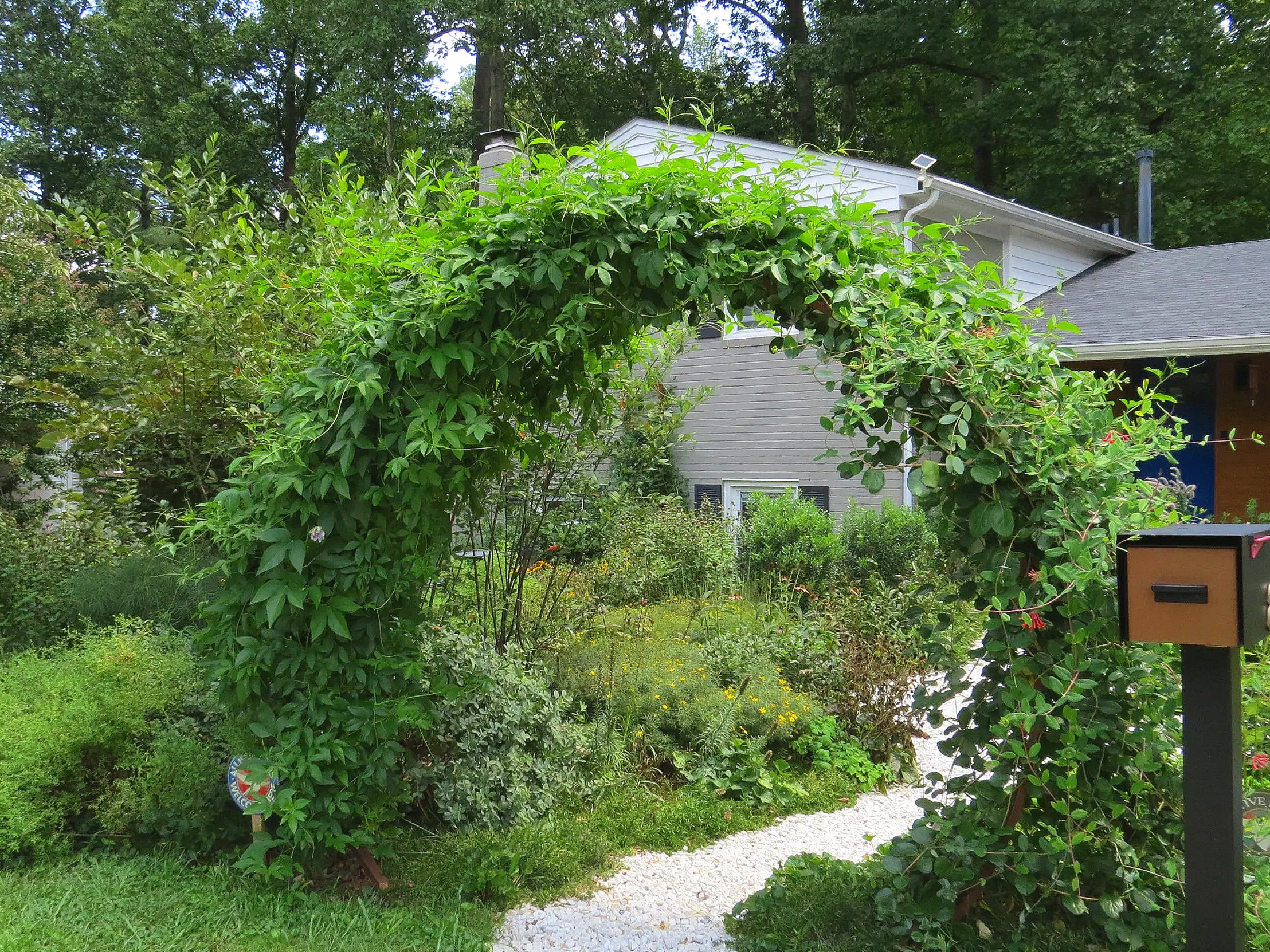
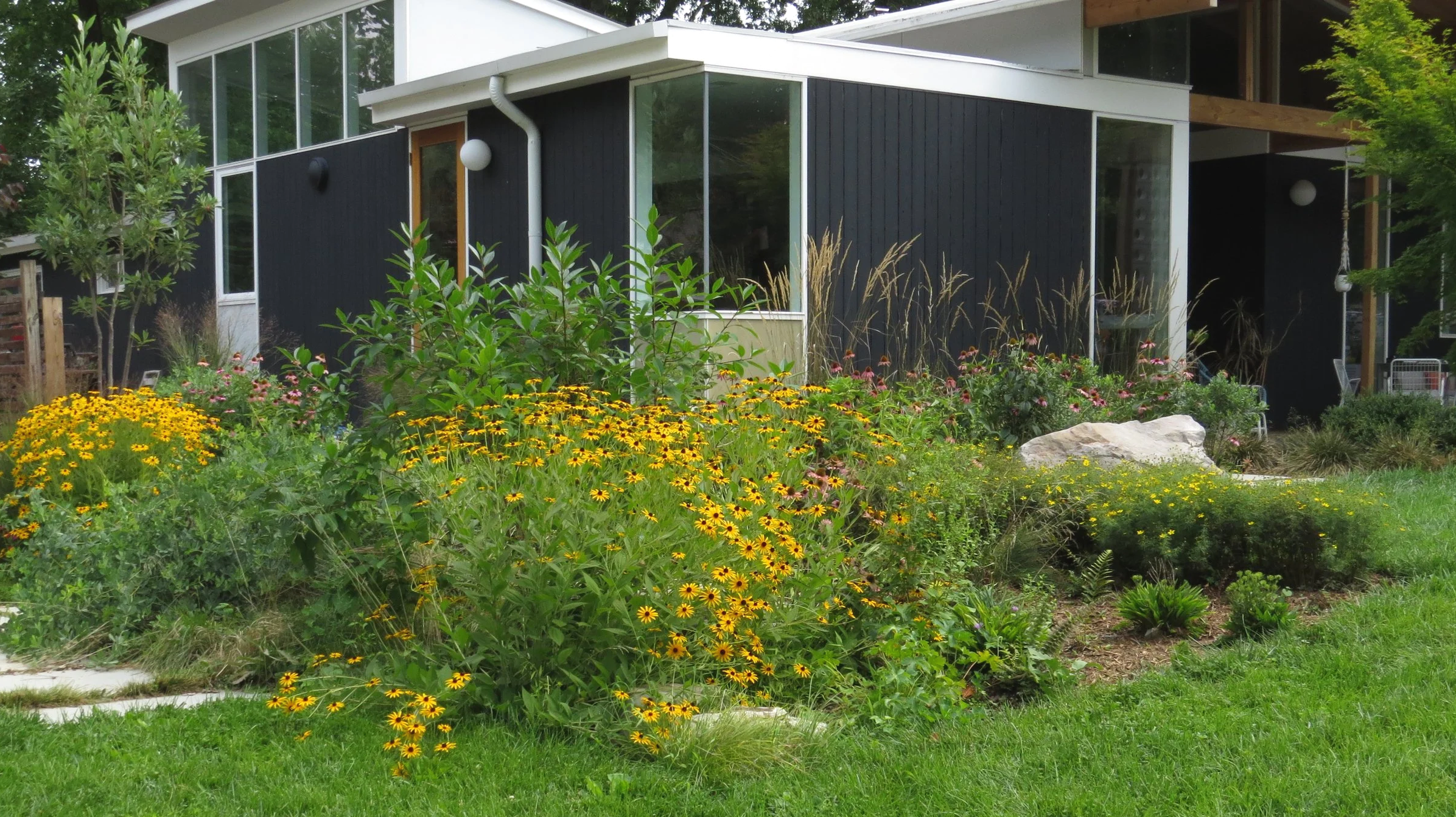
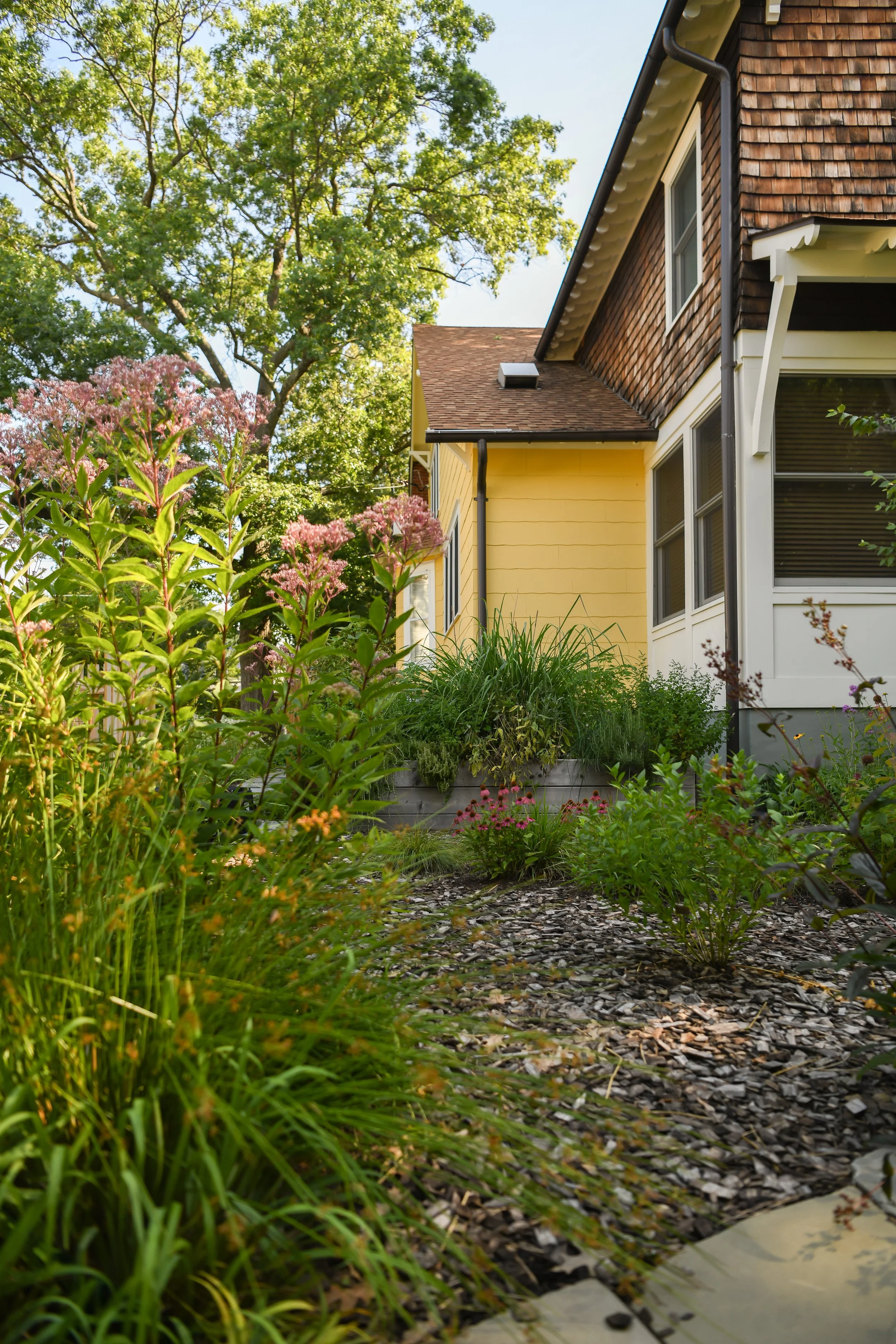
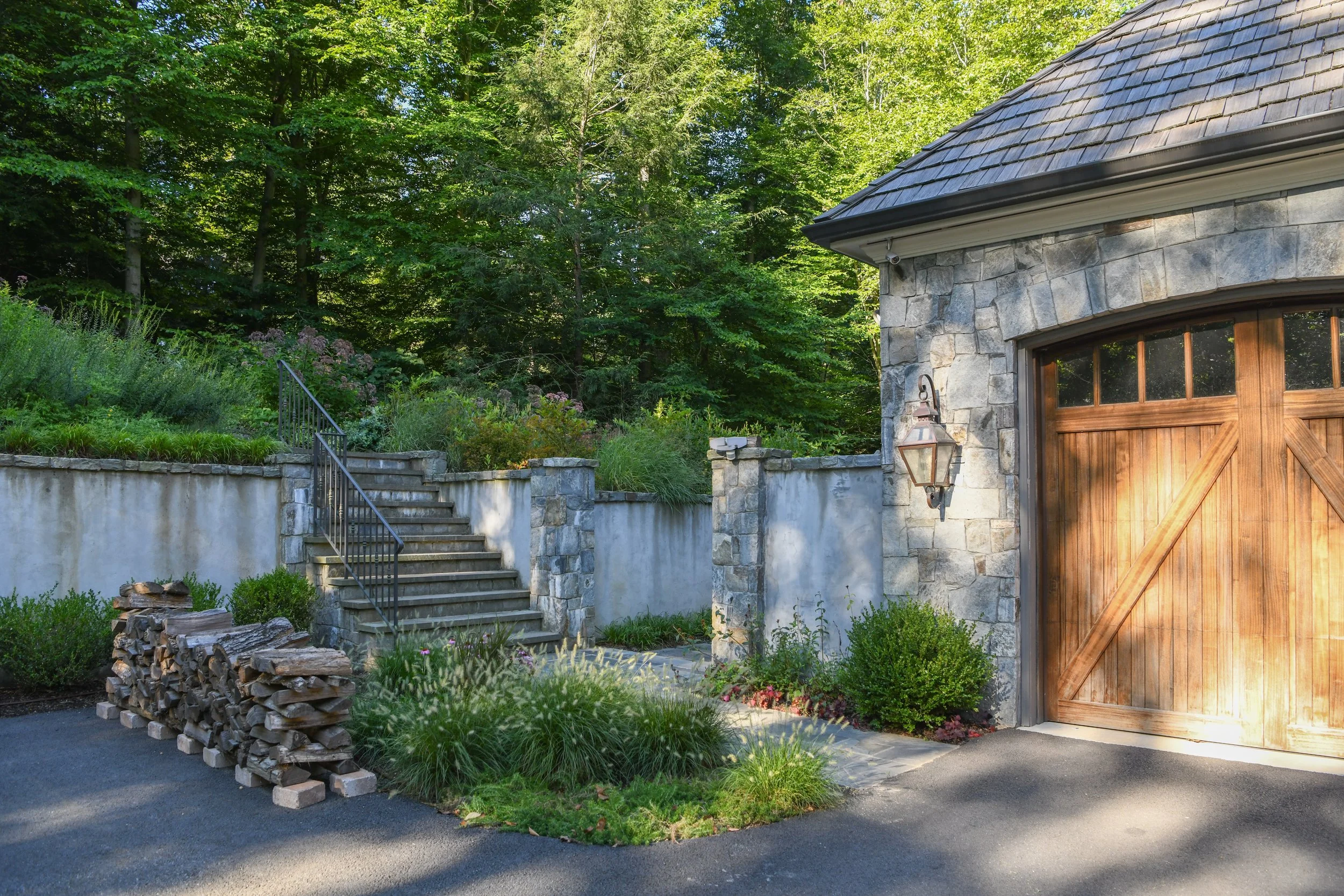
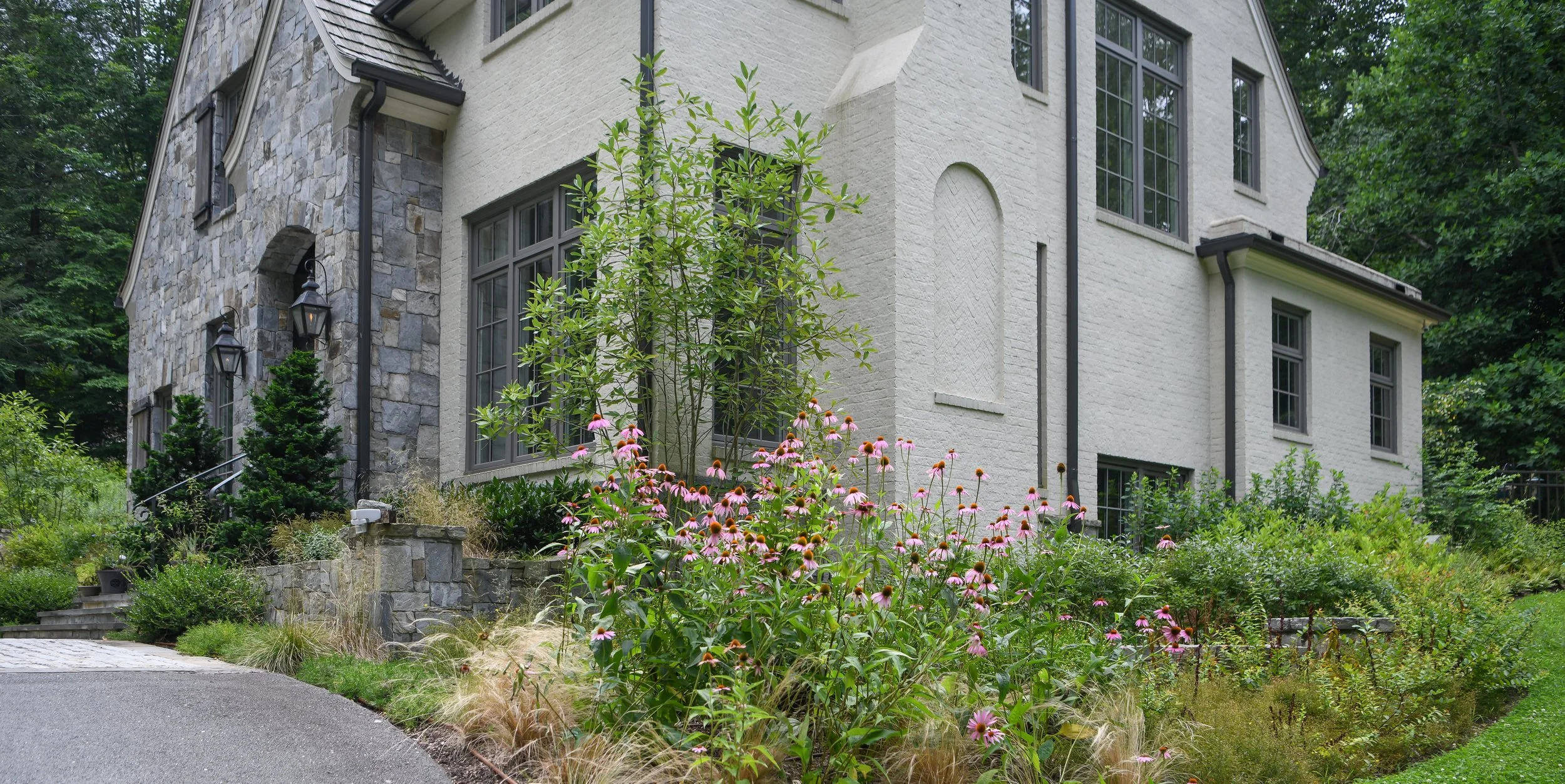
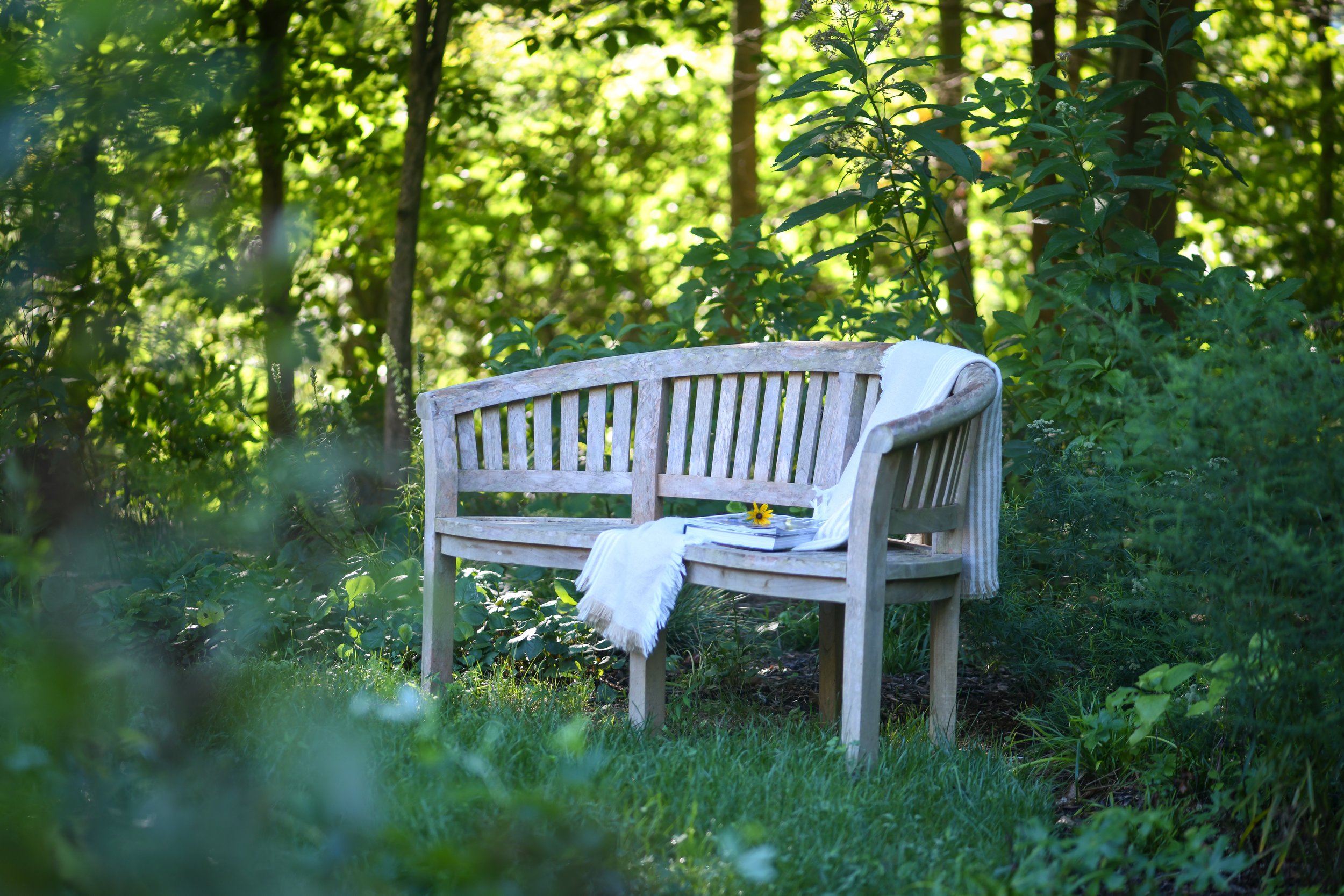
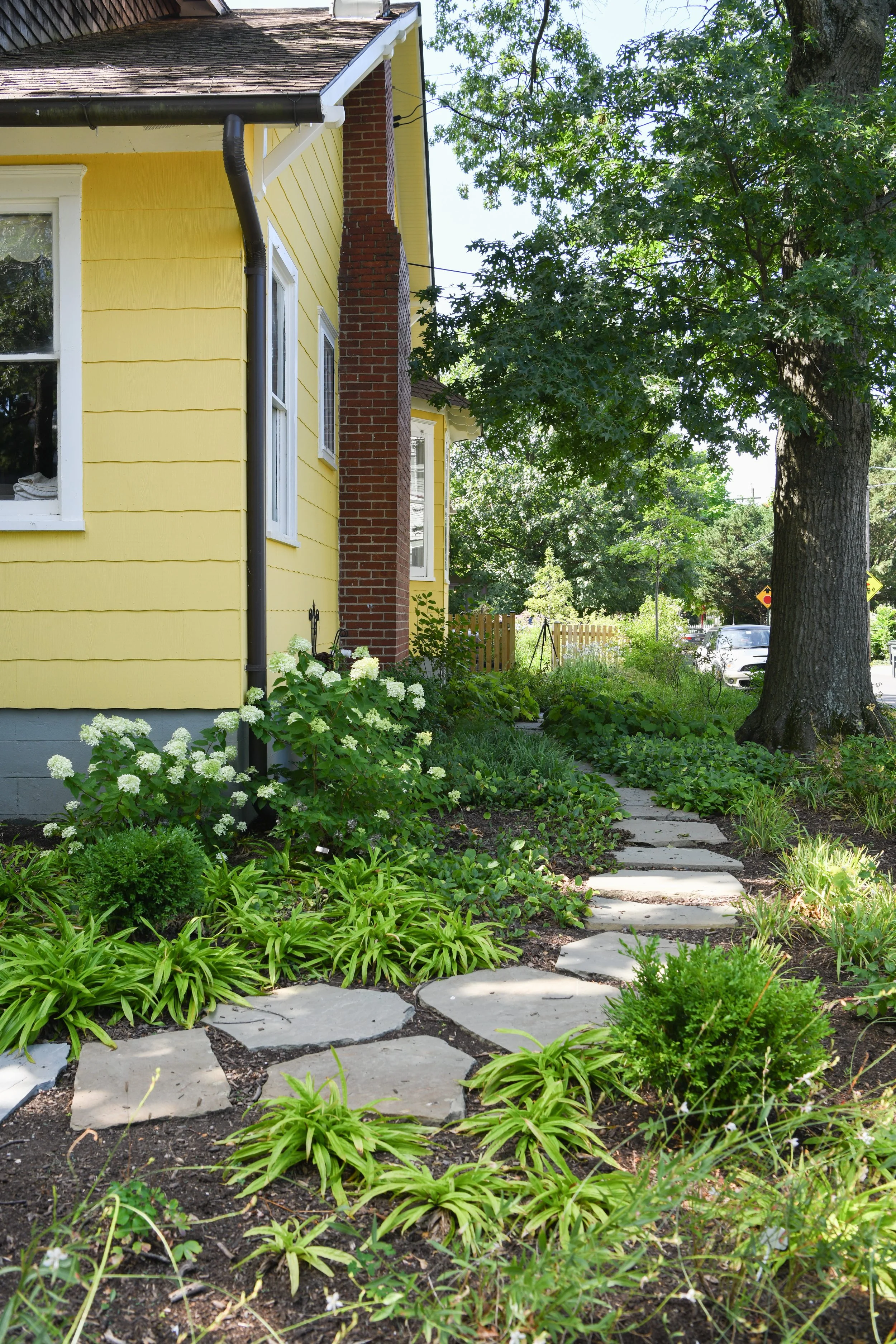
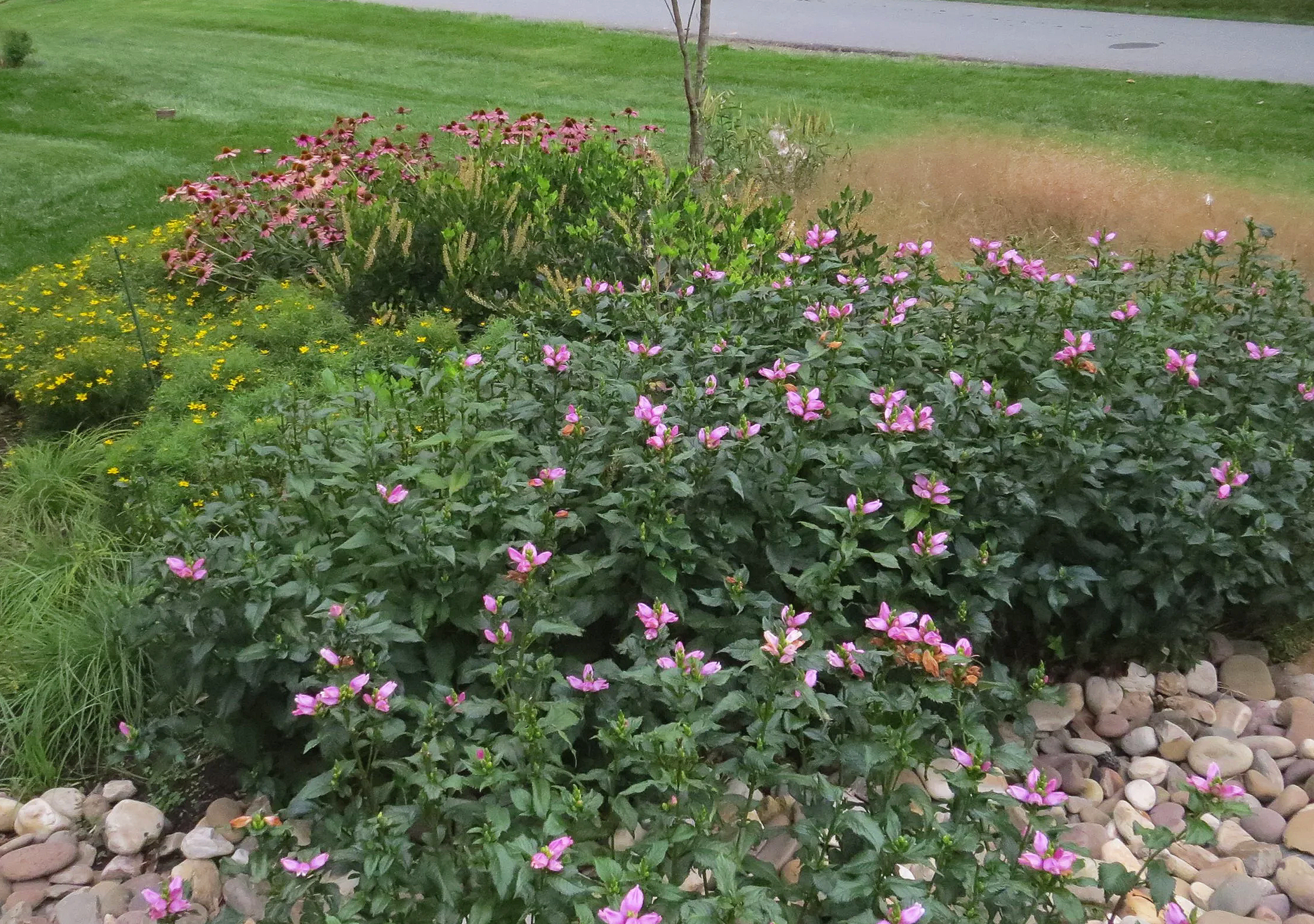
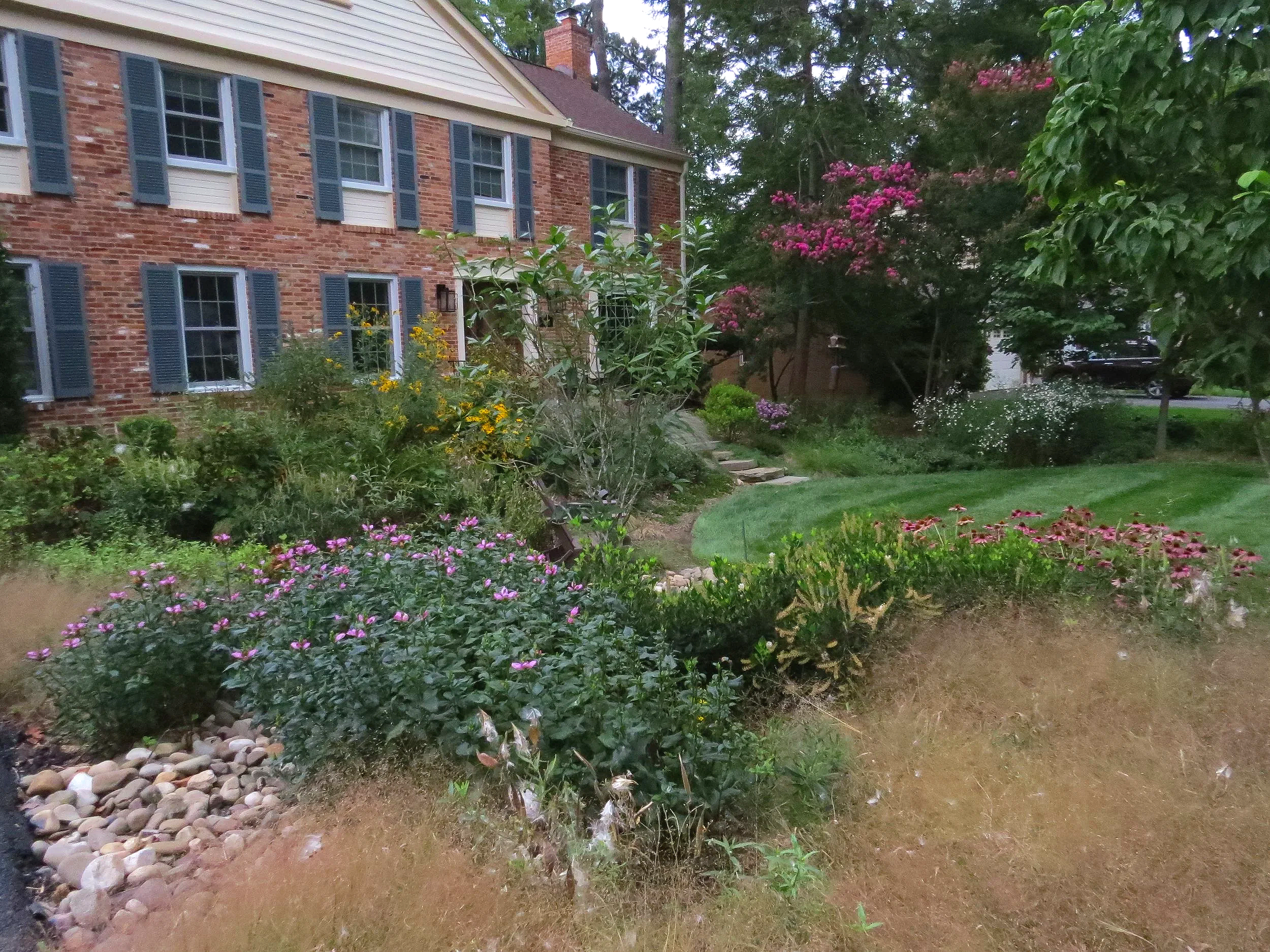
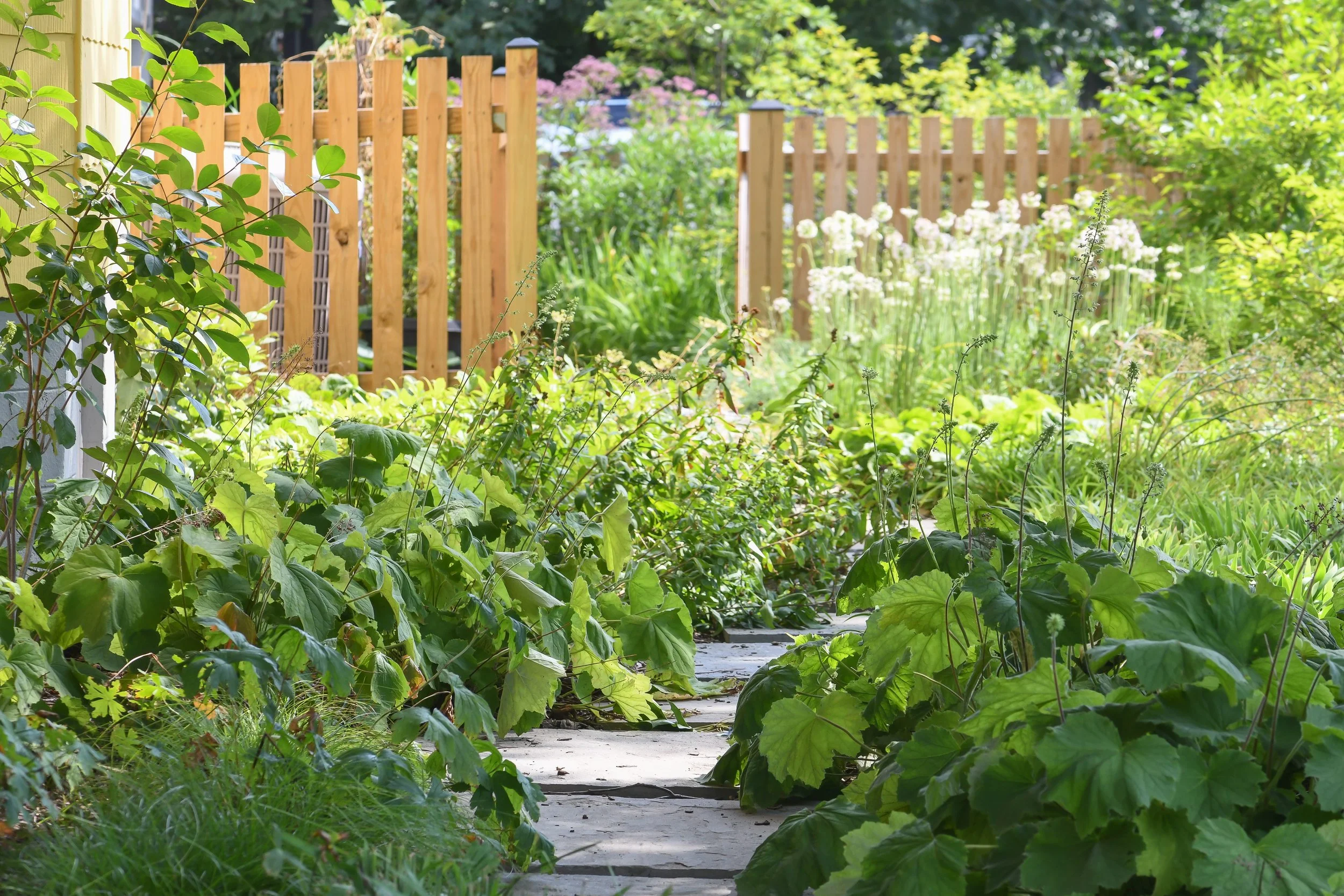
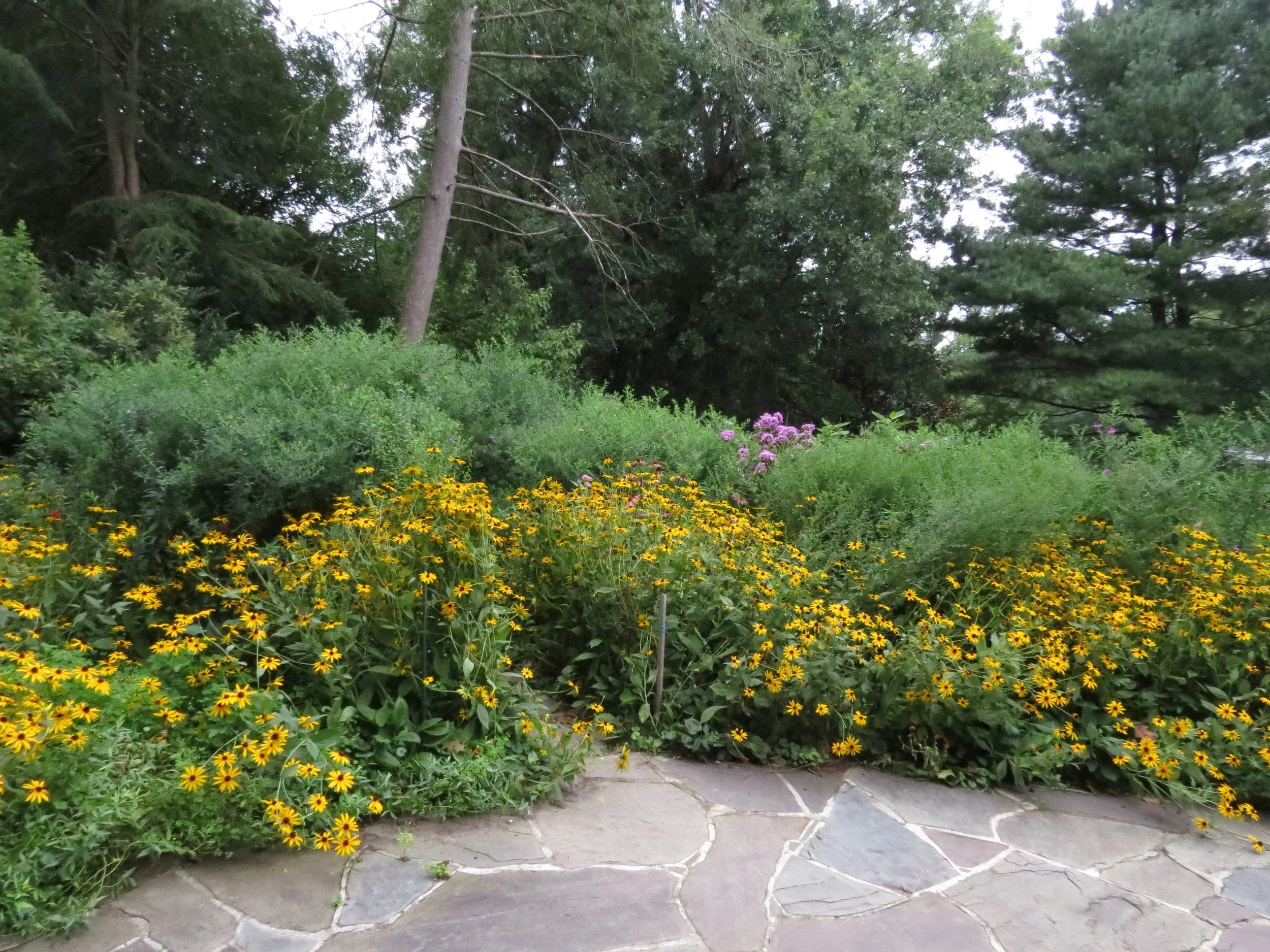
Our passion is to create and install beautiful, sustainable gardens using plants native to the Mid-Atlantic region. Our gardens are aesthetically pleasing, well-designed native plant ecosystems that are as much of a delight to their human owners as to the creatures who live, dine and work in them.
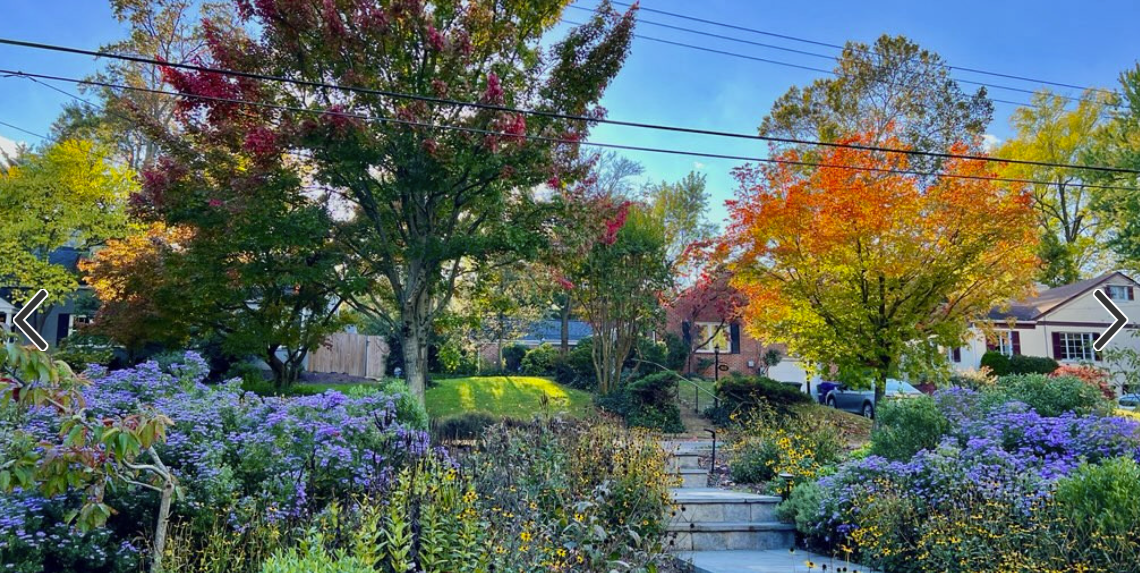
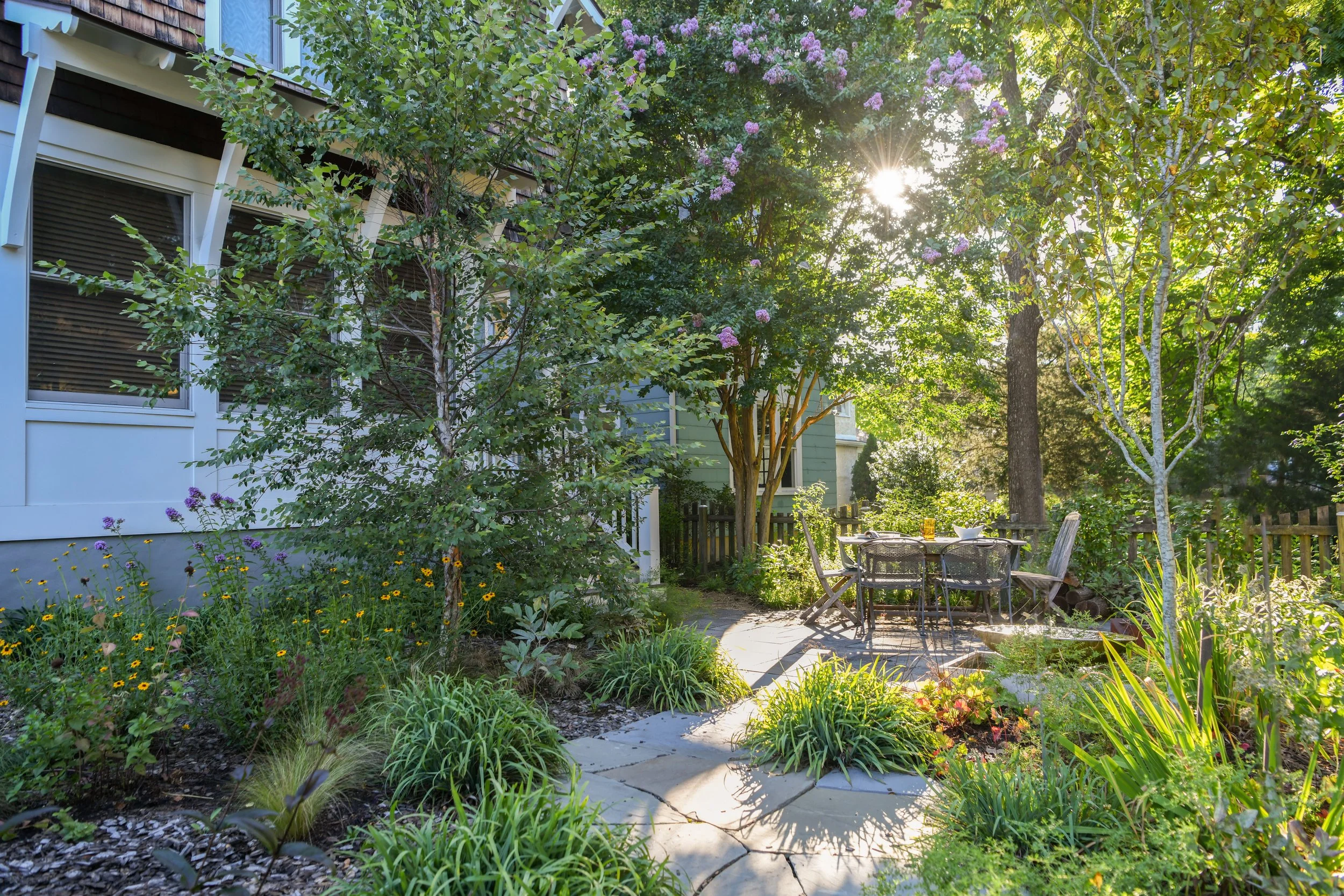
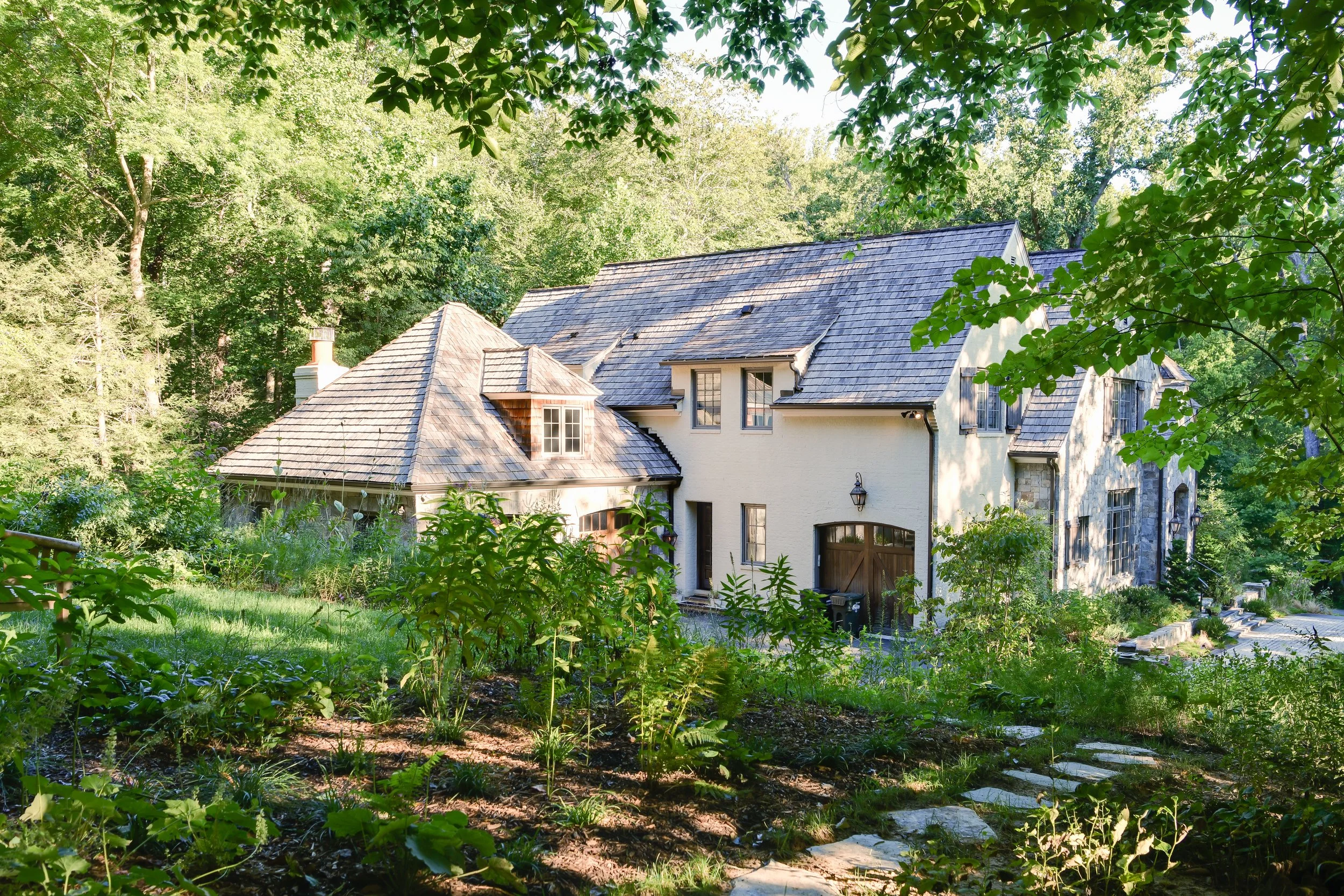
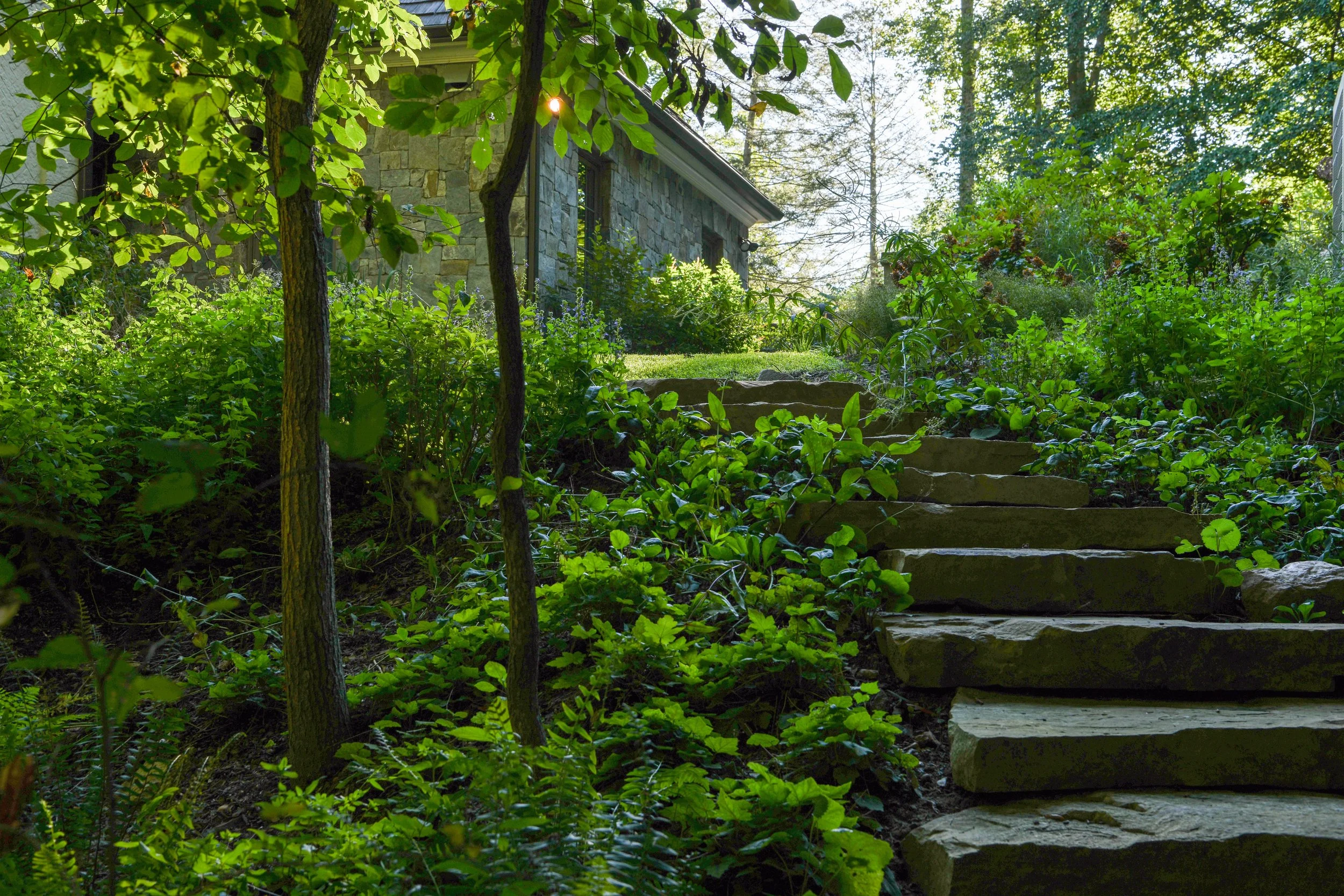
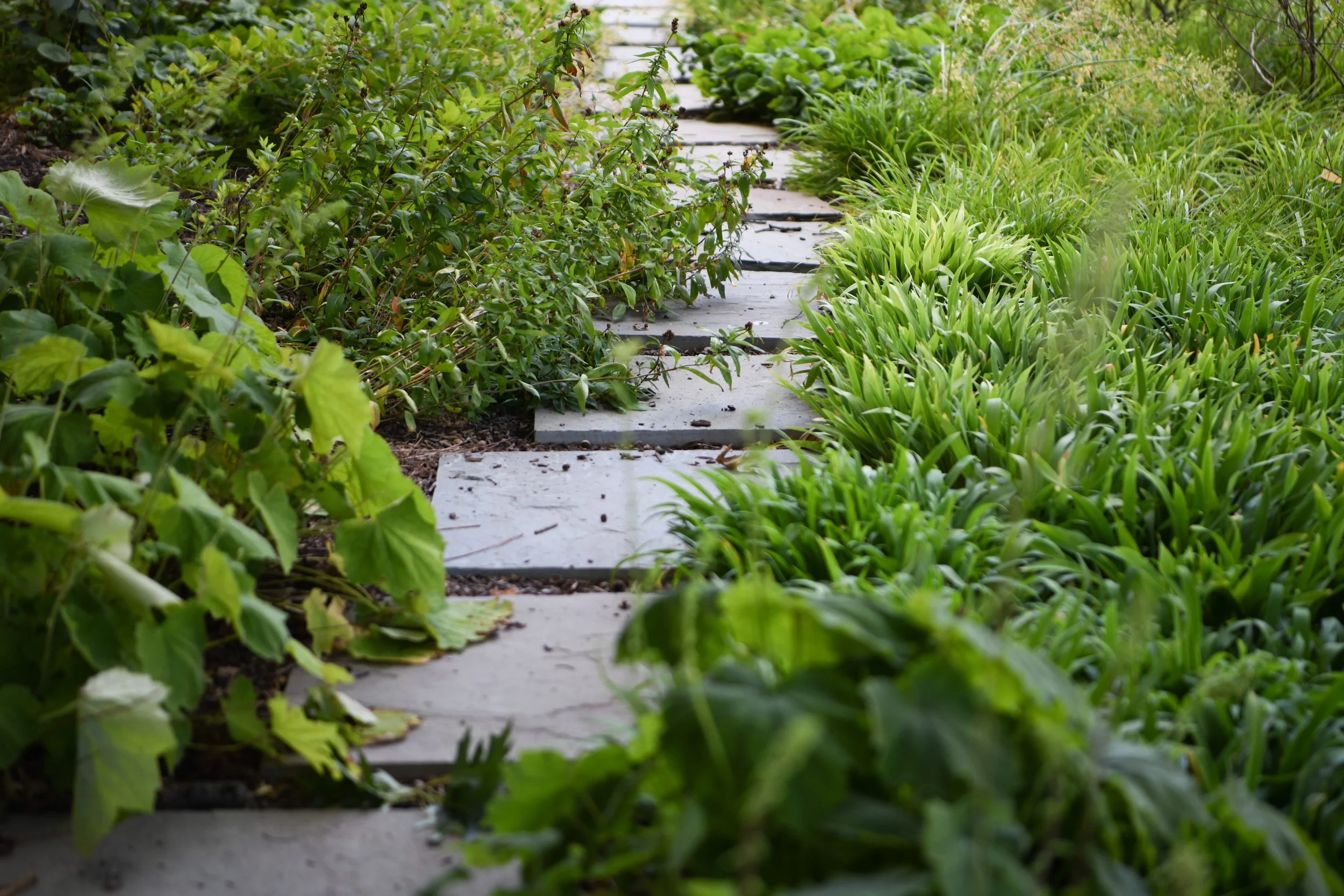
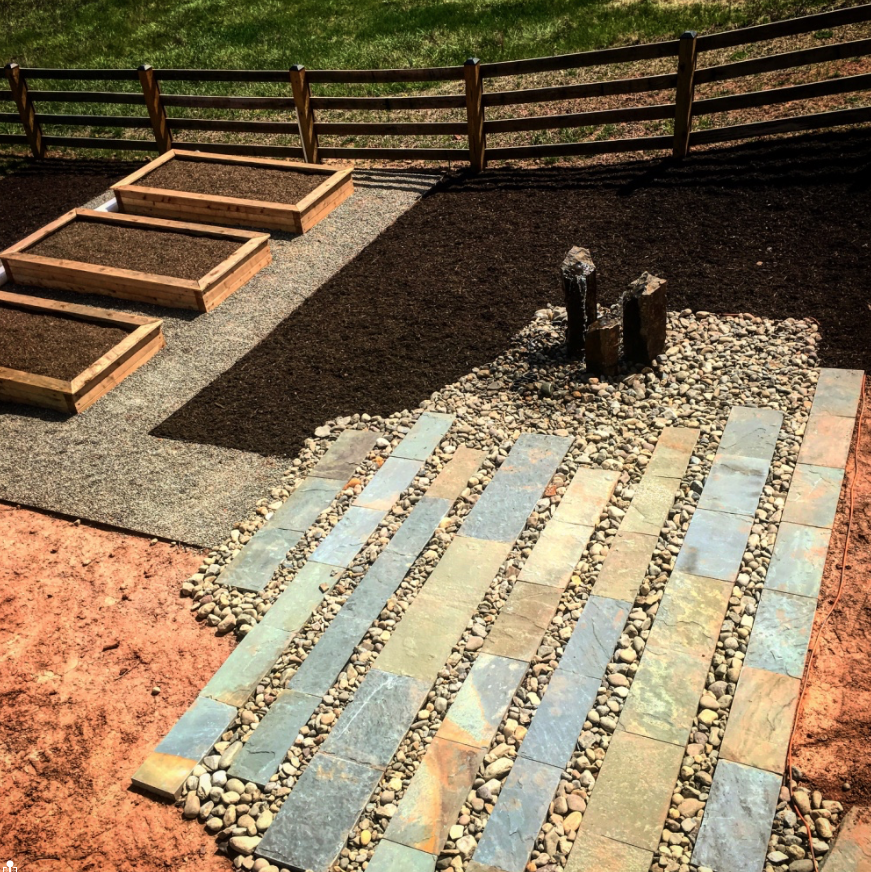
We are a full-service, experienced landscape design group dedicated to native plants. Since 2013 we have designed hundreds of beautiful, tailored, sustainable gardens in Northern Virginia, D.C. & Maryland. Our gardens are biodiverse, and thoughtfully designed, to meet both our client’s needs and style and the conditions of their site. Although plants are our passion, we also plan and install all elements of a successful garden environment, including trails, walkways, patios and stairs.

Our philosophy is that everything in our gardens needs to work hard, providing both beauty and ecological function.

Seasonal Tips & News

  • Dicentra eximia (Wild Bleeding Heart)

    Native Plant of the Month: Wild Bleeding Heart

    Wild bleeding heart (Dicentra eximia) is a true native of NoVA, naturally tucked into moist woodlands and shady slopes where it adds a soft splash of pink from spring into early summer. Its long blooming season provides an important nectar source for native bees—especially bumblebees—when woodland flowers are still scarce. Unlike the showy garden bleeding heart, this species is tougher and more heat-tolerant, making it a great low-maintenance native for shade gardens. Its delicate, heart-shaped flowers are often nicknamed “little pink pantaloons”.

  • Horticultural Tip of the Month: Seed Sowing

    February is a prime time to sow many native plant seeds outdoors, since the lingering cold naturally provides the moist stratification they need to germinate come spring. This low-effort approach strengthens seedlings by letting them sync with local weather patterns, often resulting in tougher, more resilient plants. Seed sowing natives also boosts genetic diversity, which helps plants better support local wildlife and adapt to changing conditions. Some native seeds can “wait” an entire year—or longer—before sprouting, just to be sure conditions are just right.

  • Invasive Plant of the Month: Amur Honeysuckle

    Amur honeysuckle is an aggressive invasive shrub that spreads quickly through forests, stream banks, and neighborhood edges. It leaf’s out earlier than native plants, stealing sunlight and space while reducing wildflower diversity and degrading bird habitat (even though birds eat its berries, they’re low in nutrition). Dense thickets can also alter soil chemistry and increase erosion by crowding out deep-rooted natives. Its hollow stems are a quick ID clue in winter, when it’s often still green while everything else is bare.